Understanding the problem
Instagram is a visual social network. In interviews (Meta and beyond) you're graded on feed generation under follow-graph skew and media upload/delivery at global scale — not rebuilding Reels ranking or Stories.

Photo/video + caption.
Unidirectional graph.
Chronological home.
Presign + CDN.
Pair with Delivery framework, Design News Feed, Design Dropbox, Scaling reads, and Caching.
Functional requirements
Non-functional requirements
Ask scale first — here: 500M DAU, ~100M posts/day.
Core entities
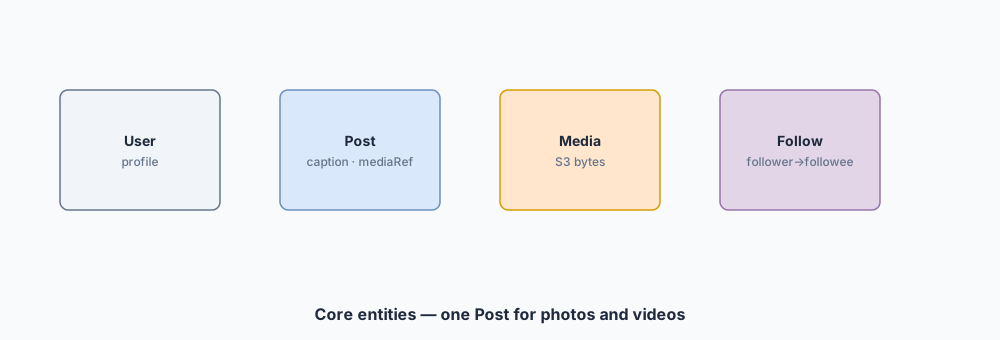
- User — username, profile stubs.
- Post — caption, author, pointer to media (photo or video).
- Media — actual bytes in object storage (S3).
- Follow — followerId → followedId (uni-directional).
API
One endpoint per FR. Media bytes upload via presigned URL (details in deep dive) — metadata create stays thin.
POST /posts -> { postId, uploadUrl }
{ "caption": "My cool photo!" }
// client uploads bytes to uploadUrl (multipart for large video)

POST /follows
{ "followedId": "123" }
// followerId from auth token

GET /feed?cursor=&limit= -> { posts: Post[], nextCursor }HLD — create a post
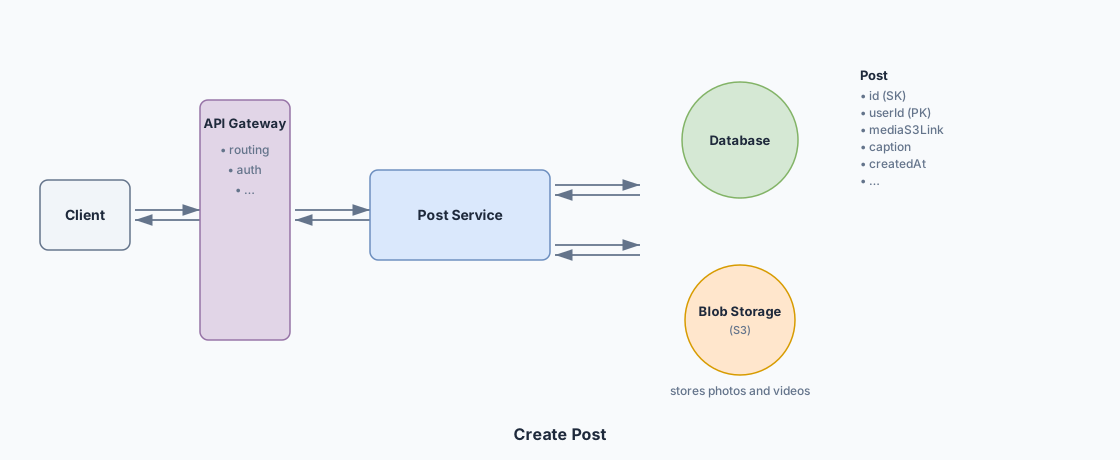
First cut: Post Service writes metadata to a DB and bytes to S3 (we'll evolve to presigned direct upload for large files).
- Client
POST /posts(caption + media, or caption then upload). - Gateway → Post Service.
- Persist post row + object key; return
postId.
HLD — follow users
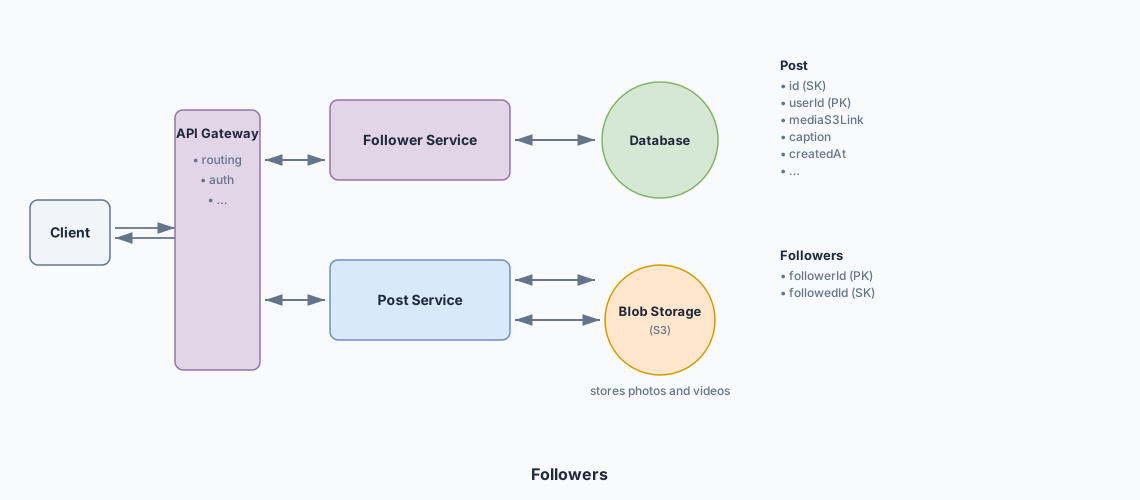
Unidirectional graph: insert (followerId, followedId). A dedicated Follow Service is fine — follow QPS ≪ feed/post QPS.
HLD — chronological feed (v1)
Fan-out on read: load followees → query each user's recent posts → merge/sort → page with cursor.
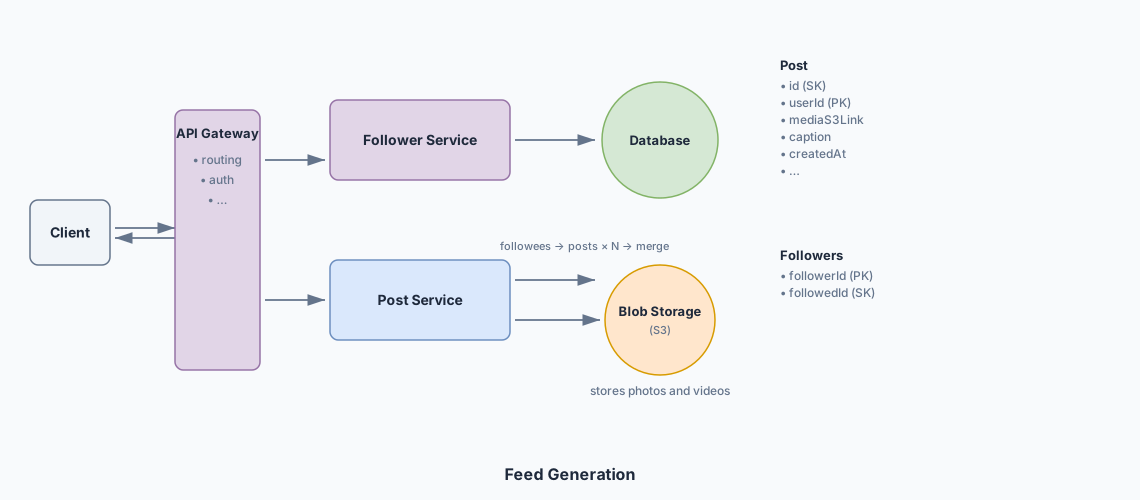
Pick a store you can index well. DynamoDB works (Follows: PK followerId, SK followedId; Posts: PK userId, SK createdAt#postId). PostgreSQL is also fine — Instagram famously ran Postgres for post metadata; justify either.
Deep dive — feed < 500ms
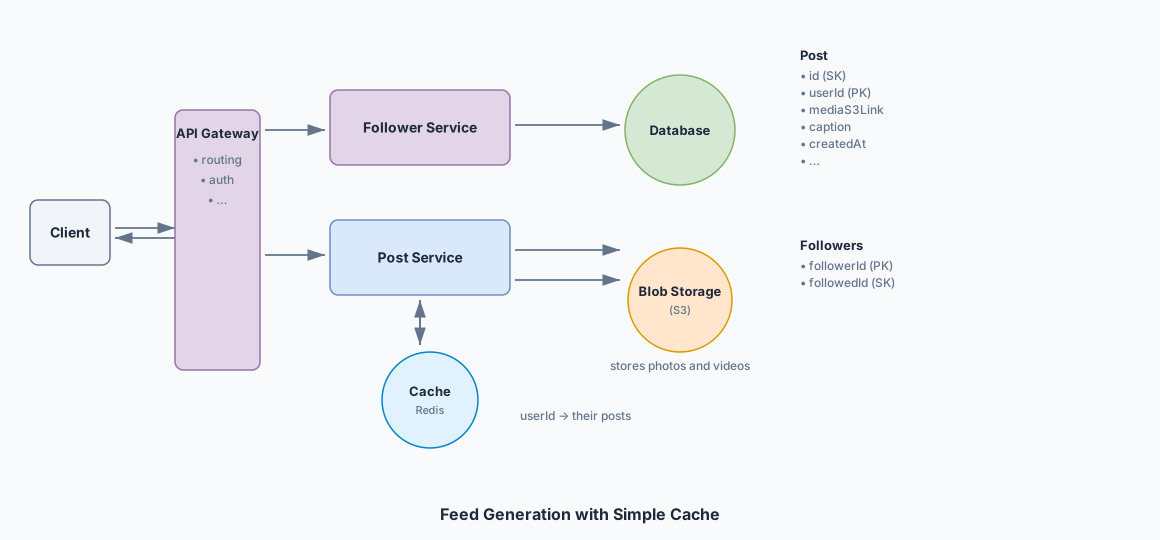
OK — cache pages
Redis key feed:{userId}:{cursor} → postId list. Reduces DB hits but still fans out on miss; cache must be huge for good hit rate.
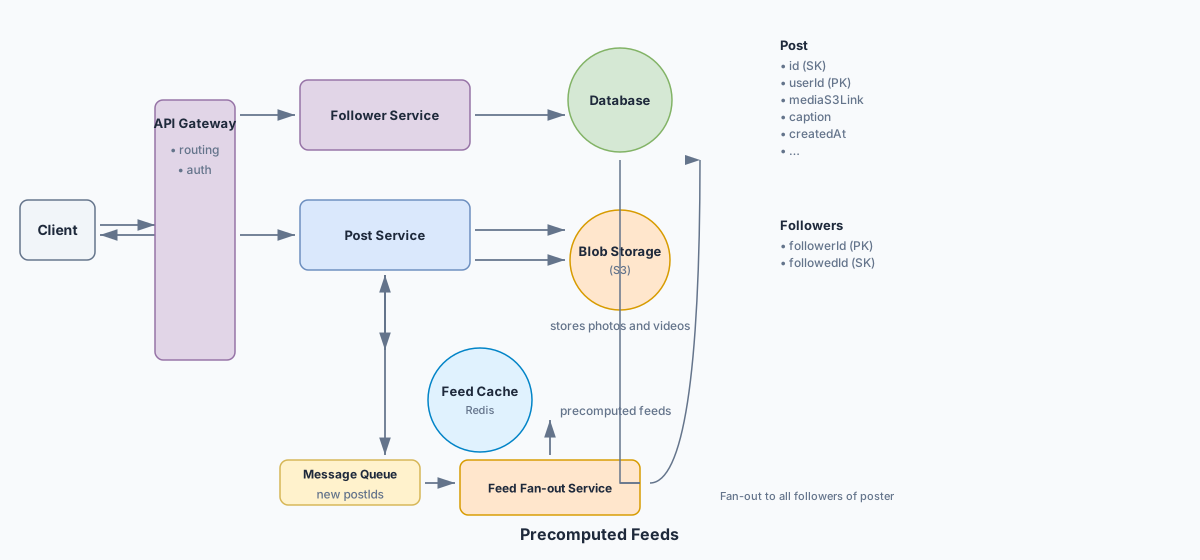
Good — fan-out on write
On post: enqueue → Fan-out worker loads followers (GSI on followedId) → prepend postId into each follower's Redis ZSET (feed:{userId}, score = timestamp). Read path: ZRANGE top N, then hydrate metadata (hybrid: postId ZSET + short-TTL post HASH; miss → BatchGet → fill cache).
Great — hybrid
Threshold (e.g. 100k followers): push for normals; celebs skip fan-out. On feed read: load Redis timeline + pull recent posts from celebrity followees → chronological merge.

- Tune the threshold — too low leaves write amp; too high hurts read merge cost.
- Users who follow many celebs see slightly slower feeds — set SLAs and cache hot celeb posts.
- Redis durability: mention AOF + Sentinel/Cluster so feeds aren't a pure memory lottery.
Deep dive — instant media (to 4GB video)
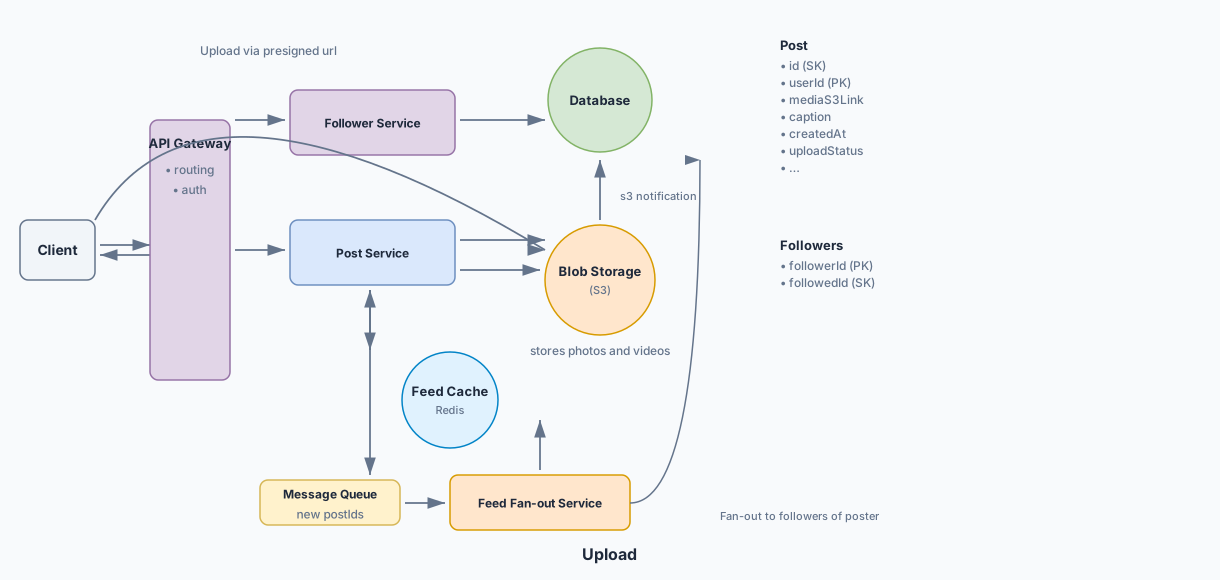
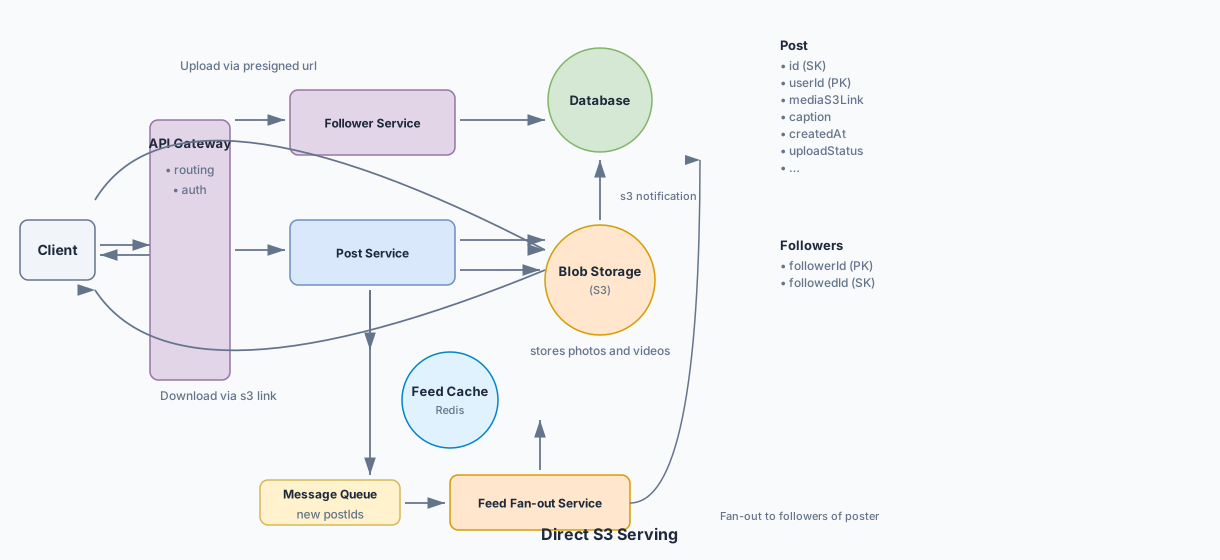
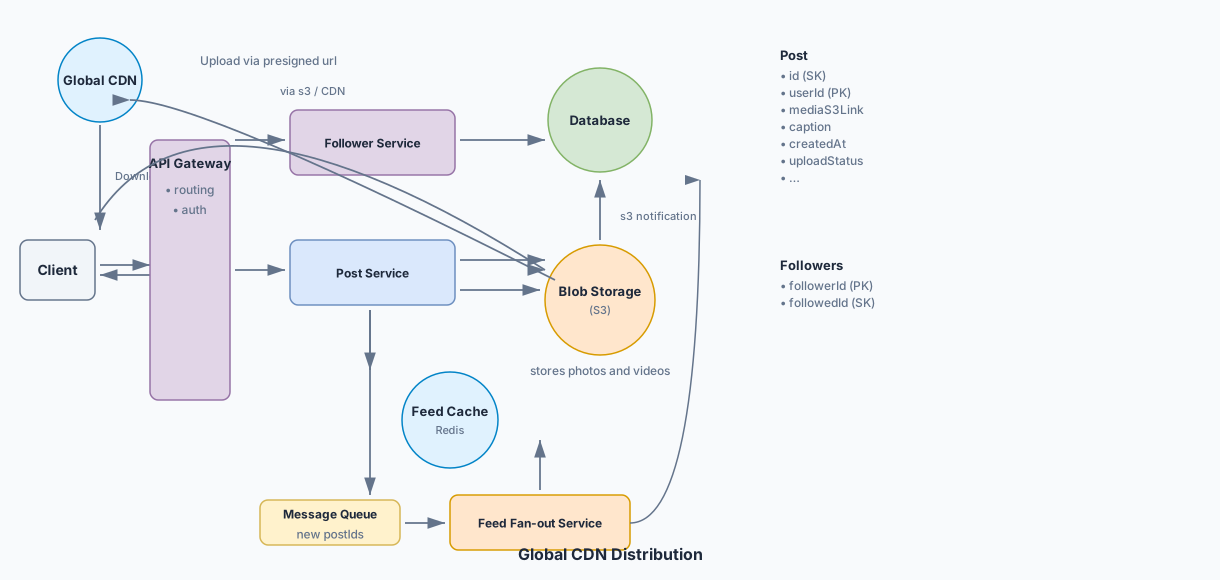
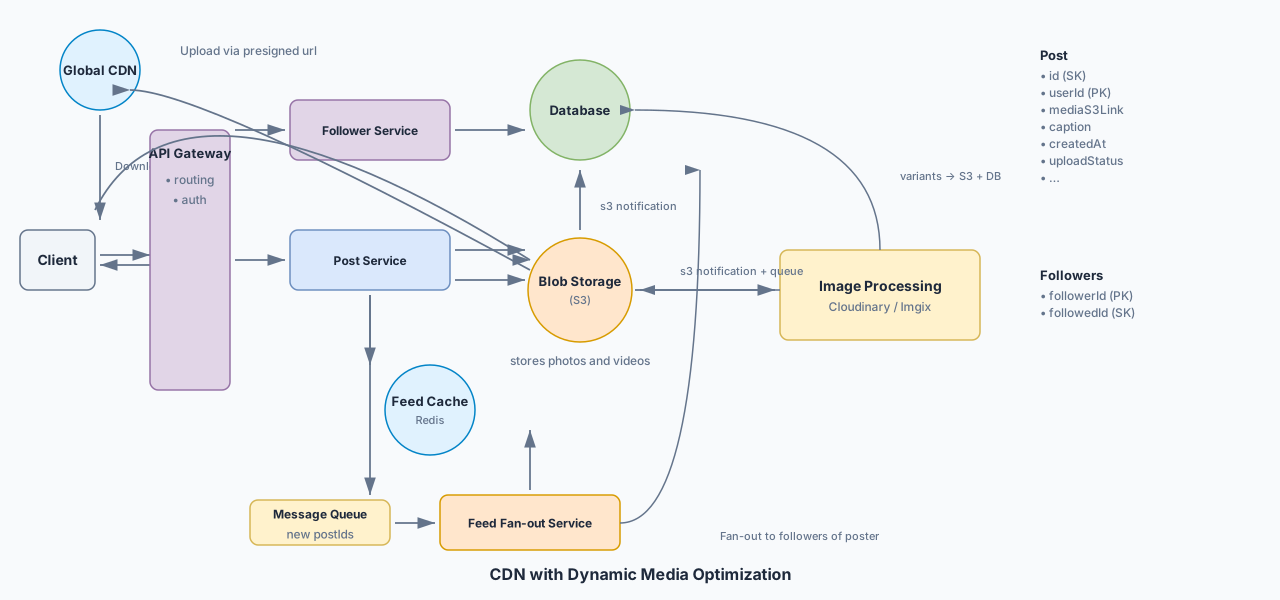
Two problems: upload (chunking, bypass app servers) and download (global latency + right-sized variants).
Upload
POST /posts returns postId + presigned URL; client uses S3 multipart for large video. Post status starts pending; prefer S3 event → worker to mark complete (more reliable than trusting the client PATCH).
Serve — bad → good → great
Deep dive — 500M DAU napkin
- Media: 100M posts × ~2MB ≈ 200TB/day → ~750PB over 10 years — S3 + lifecycle to Glacier for cold.
- Metadata: 100M × ~1KB ≈ 100GB/day — archive cold rows if DynamoDB/SQL cost bites.
- Throughput: horizontal scale services behind LB; hybrid feed + CDN are the real levers.
Storage hierarchy: CDN → Redis → SSD DB → object store → cold tier. Move cold data down the ladder to save money.
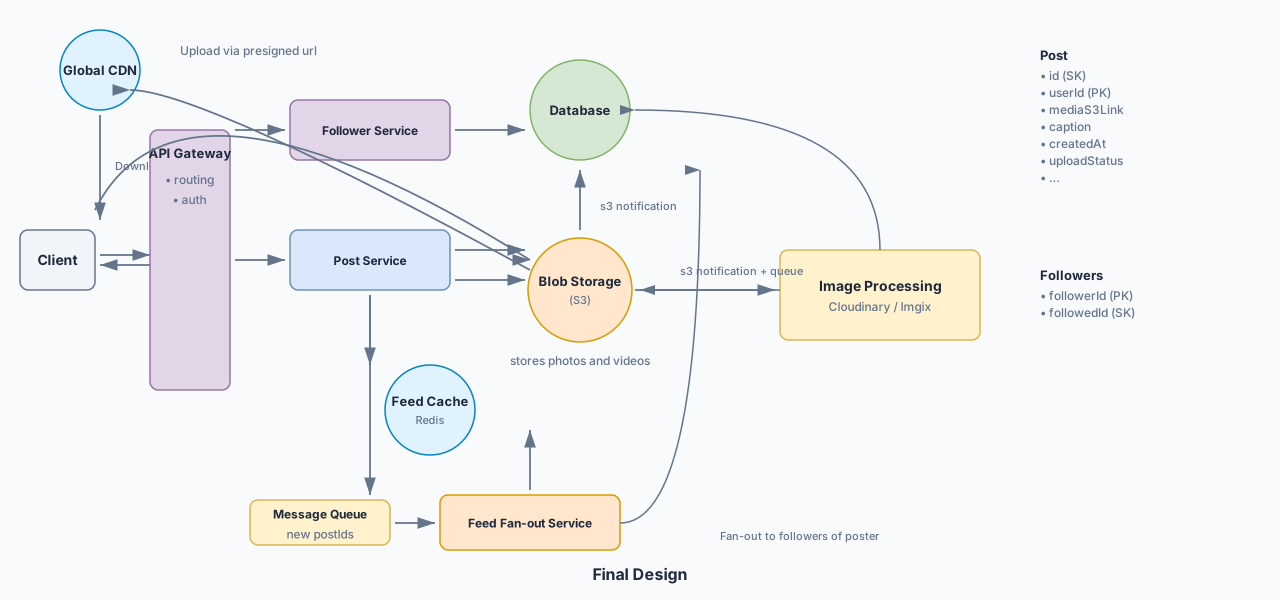
Final design
Cost and performance levers
What interviewers expect by level
Architecture by level
Three progressive sketches — beginner spine, mid optimizations, pro production depth. Use the matching diagram in the interview; say the tradeoff out loud.
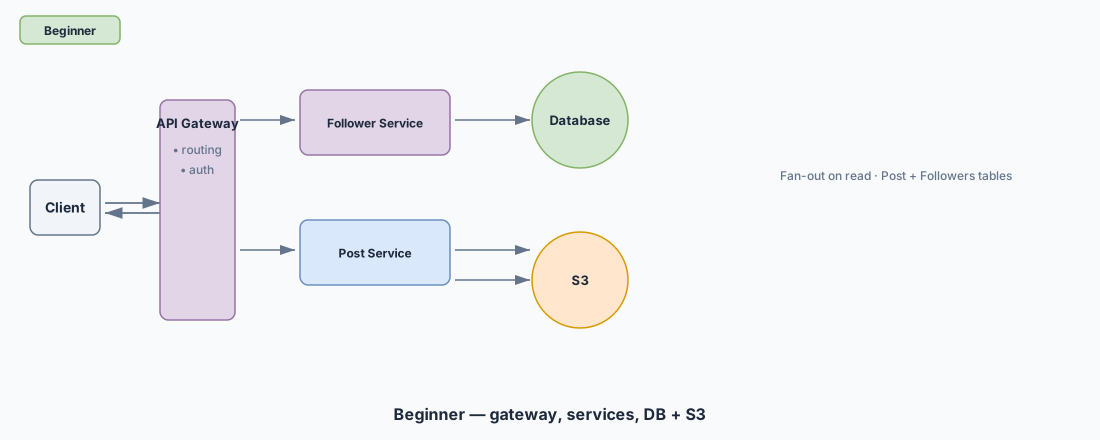
Pros: Covers create / follow / chronological feed with a clear shared DB + S3 split. Cons: Fan-out on read blows up with 1,000 followees — latency and cost won't hit <500ms at 500M DAU.
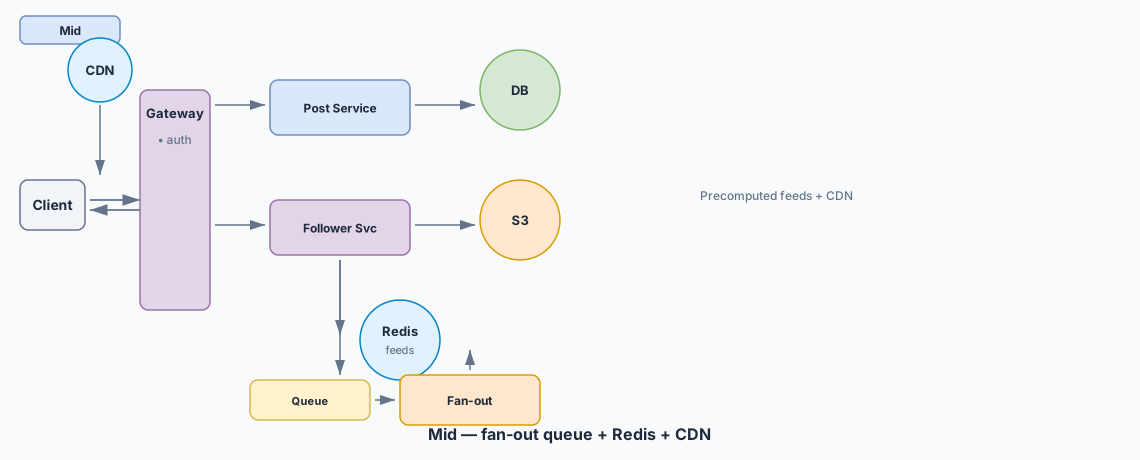
Pros: Precomputed Redis ZSET feeds make reads a single fast query; CDN fixes global media latency; presigned uploads keep bytes off app servers. Cons: Celebrity write amplification can melt fan-out workers; Redis without durability/HA is a single point of pain.
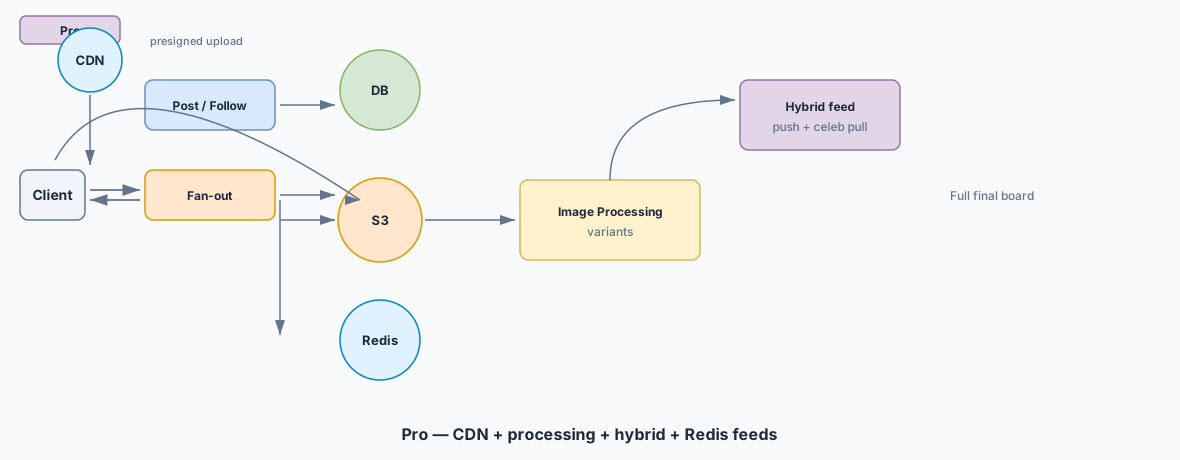
Pros: Hybrid push/pull solves the celebrity problem; variants + CDN match device/network; AOF/Sentinel and Glacier show cost/ops judgment. Cons: Threshold tuning and dual read paths add ops complexity — staff should say when you'd evolve from simple push, not start at hybrid.
Mid: spine + push feeds. Senior: hybrid + blobs. Staff: evolution and failure modes.
Wrapping up
Instagram interviews reward the same two muscles as News Feed and Dropbox: skew-aware fan-out and global media plumbing — with napkin math that makes hybrid inevitable.
Related: Delivery framework · Design News Feed · Design Dropbox · Scaling reads · Caching · Redis · Design Ticketmaster.
Backend depth — interview talking points
Related Lattice posts: Design news feed · Large blobs · Caching strategies · Kafka