
Does negotiating send the wrong signal?
Raises follow your start.
HM · recruiter · finance.
No number before offer.
Accept on the call.
You passed the loop. Now the money conversation starts. Same as coding and behavioral rounds, offer stage has a methodology: know the players, know the levers, tell one consistent story, and push without panic.
Why negotiate anyway? Starting level and TC set a sticky baseline. Raises, refreshes, and even some “boomerang” return offers weight your history. Coming in low isn’t just year-one pain — it’s a multi-year tax.
Why staff TC is sticky
Starting level and total compensation set a multi-year baseline. Refreshes, raises, promo velocity, and even some boomerang return offers weight your history. Coming in low isn’t year-one pain — it’s a compounding tax. At staff bands the absolute dollars are large enough that a “small” miss dwarfs most annual raises.
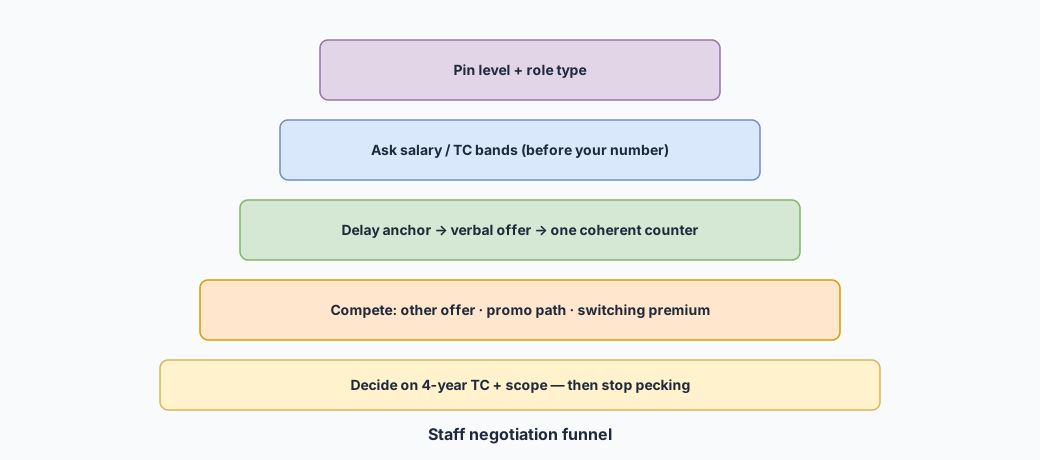
- Confirm level early — it pins every band.
- Ask whether exception offers exist for strong packets / hard-to-fill roles.
- Decide private walk-away TC and happy TC before the verbal call.
- Keep one consistent story your recruiter can sell to finance.
Thoughtful negotiation is expected. What kills offers is bad timing, inconsistent stories, or negotiating money with the HM.
What actually jeopardizes an offer
- Talking numbers too early — naming a salary in screening locks a ceiling before you know level or band.
- Inconsistent storytelling — changing your ask every call erodes the recruiter’s trust (they advocate for you).
- Negotiating with the hiring manager — they already championed you; turn them into a price debate and you add friction.
- Only fighting base — ignoring equity and sign-on leaves easier wins untouched.
- Accepting on the spot — skip time to think and you skip the counter they already budgeted for.
Know who you’re talking to
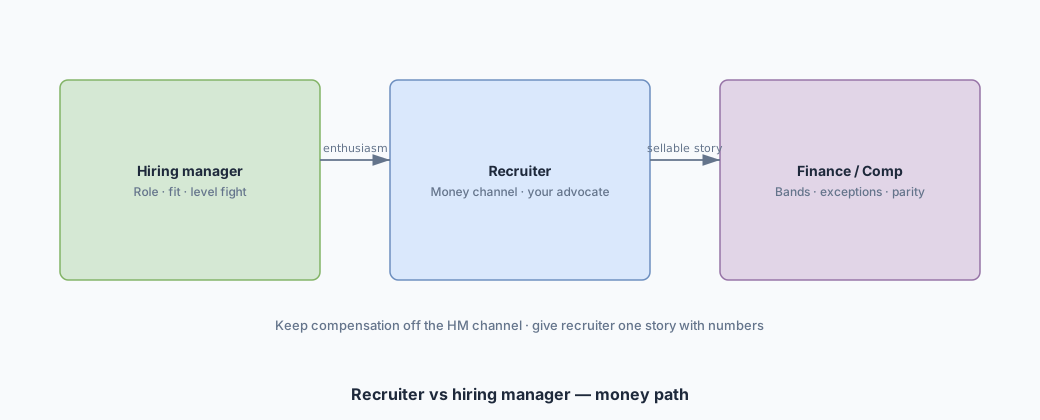
Three actors shape the package. Talk about the right topics with each.
Hiring manager — Goal: hire someone who will deliver. Discuss role, impact, team fit, enthusiasm. Keep compensation off this channel. You want them excited to fight for headcount and level, not mediating a raise debate.
Recruiter — Goal: close you at a number finance will approve. They are your advocate if you give them a sellable story with numbers. Stay kind, clear, and consistent. Ask about bands, equity structure, sign-on norms, and whether exception offers exist for strong packets / hard-to-fill roles.
Finance / comp — Goal: market parity and band integrity. They are not emotional about your story; they move on data: level, location, competing offers, equity left behind, internal equity. Your recruiter translates your narrative into that language.
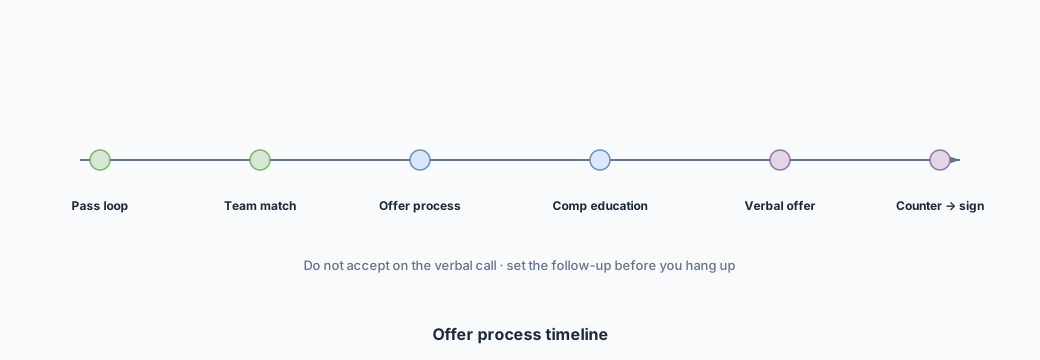
The offer flow, step by step
- Pass interviews — strong packet = more room for exception asks later.
- Team match — open HC must exist; keep HM enthusiasm high.
- Moving to offer — recruiter confirms you’re in offer process.
- Comp education call — they explain base / equity / bonus / perks and fish for your number. Stay curious; delay firm anchors if you can until you hear structure.
- Verbal offer — treat as a starting point, not a take-it-or-leave-it.
- Counter — one coherent ask with data; give the recruiter ammunition.
- Best and final / sign — decide with TC over 4 years, not just year-one cash.
Staff scripts: delay, band-first, never accept live
Early-stage scripts (before offer)
“What are your salary expectations?”
“What’s your current compensation?”
In many US states it’s illegal to ask current pay; rules vary by country. You can deflect to expectations for the new role or share total-comp ranges without a precise breakdown. Don’t lie — inconsistency later hurts.
Pre-offer checklist
- Confirm level (and whether level is negotiable).
- List competing processes / promo timeline at current job (even if soft).
- Estimate unvested equity / bonus you’d walk away from.
- Decide your walk-away TC and your happy TC (two numbers, privately).
- Read Comp levers & safe tactics before the counter call.